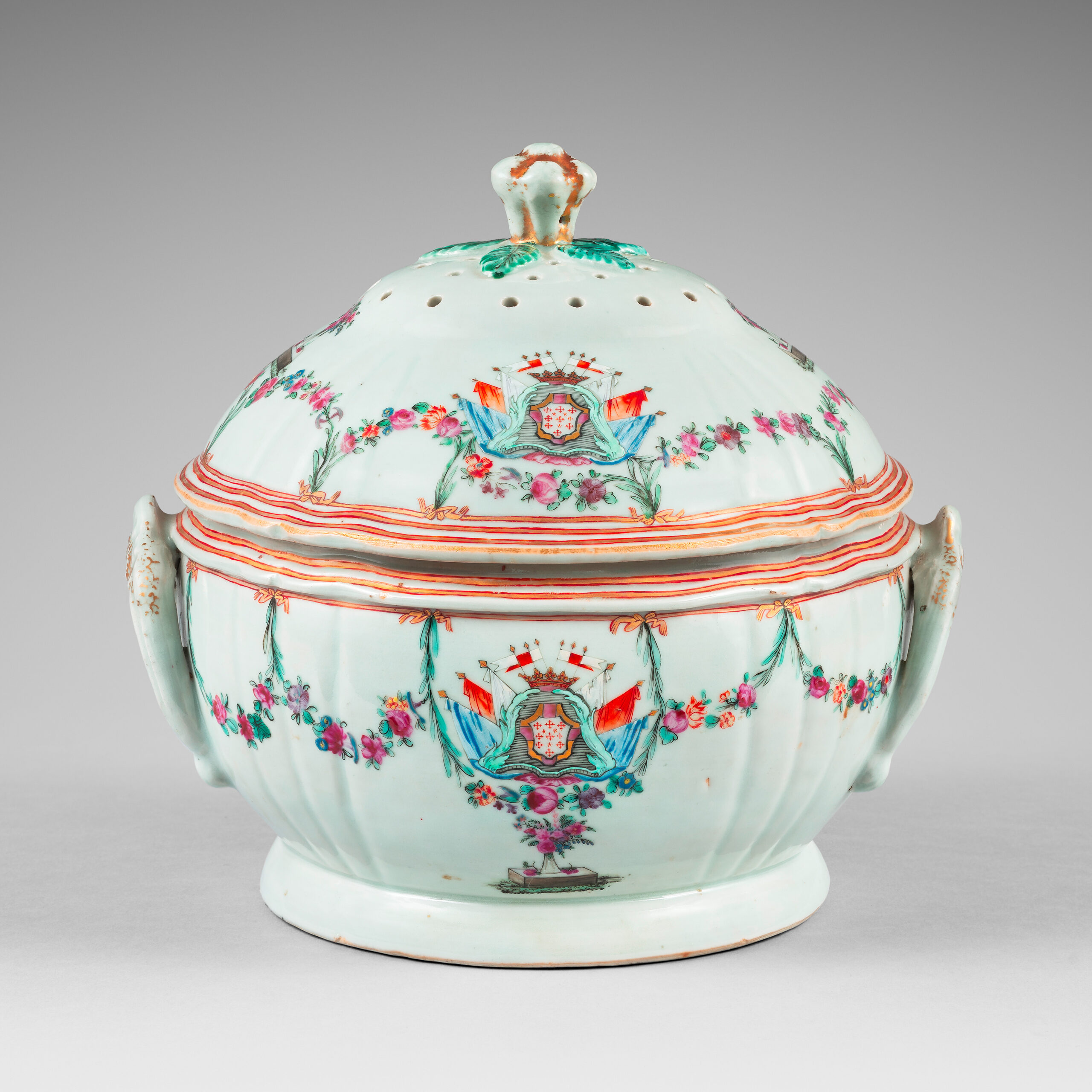
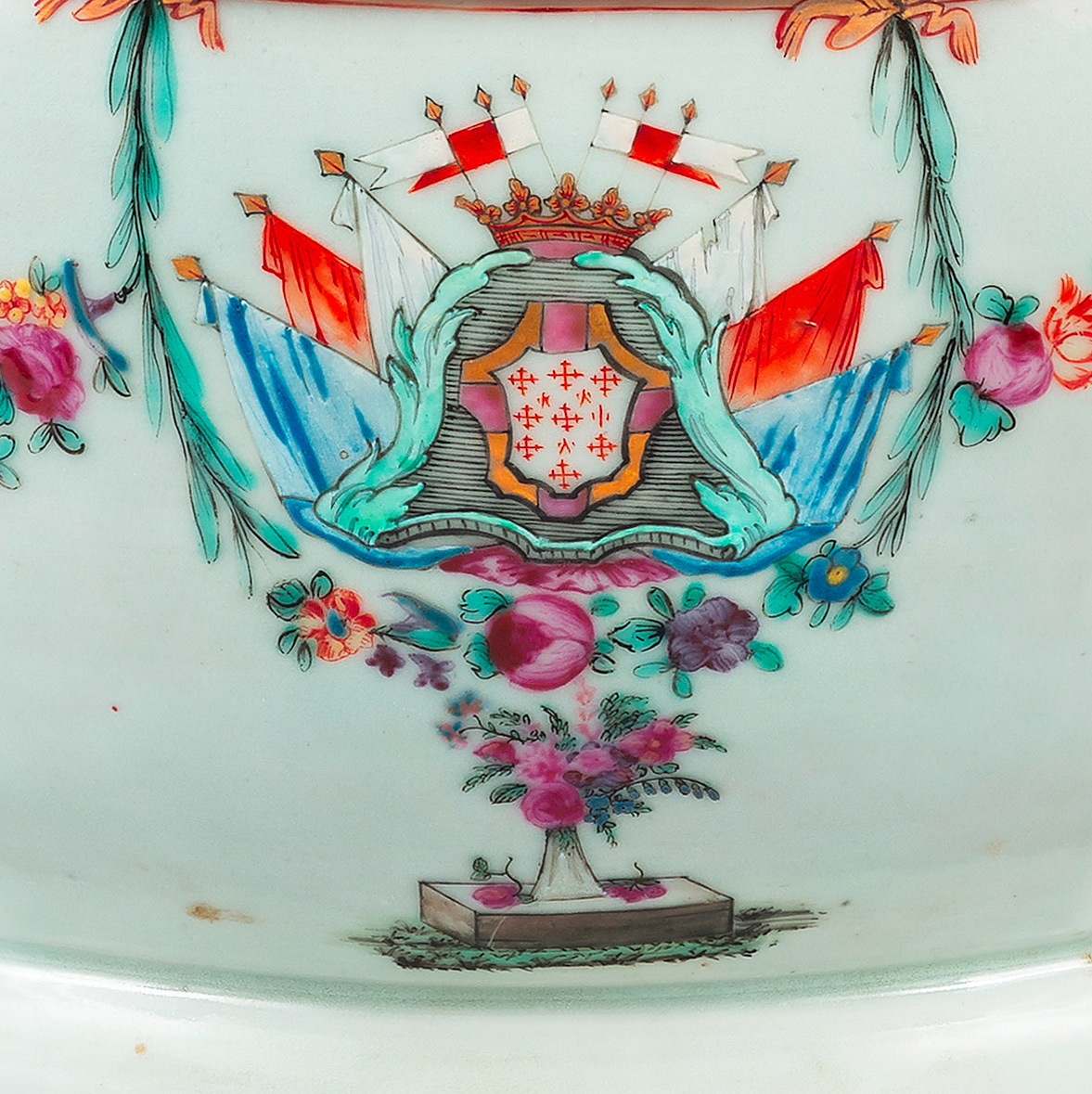
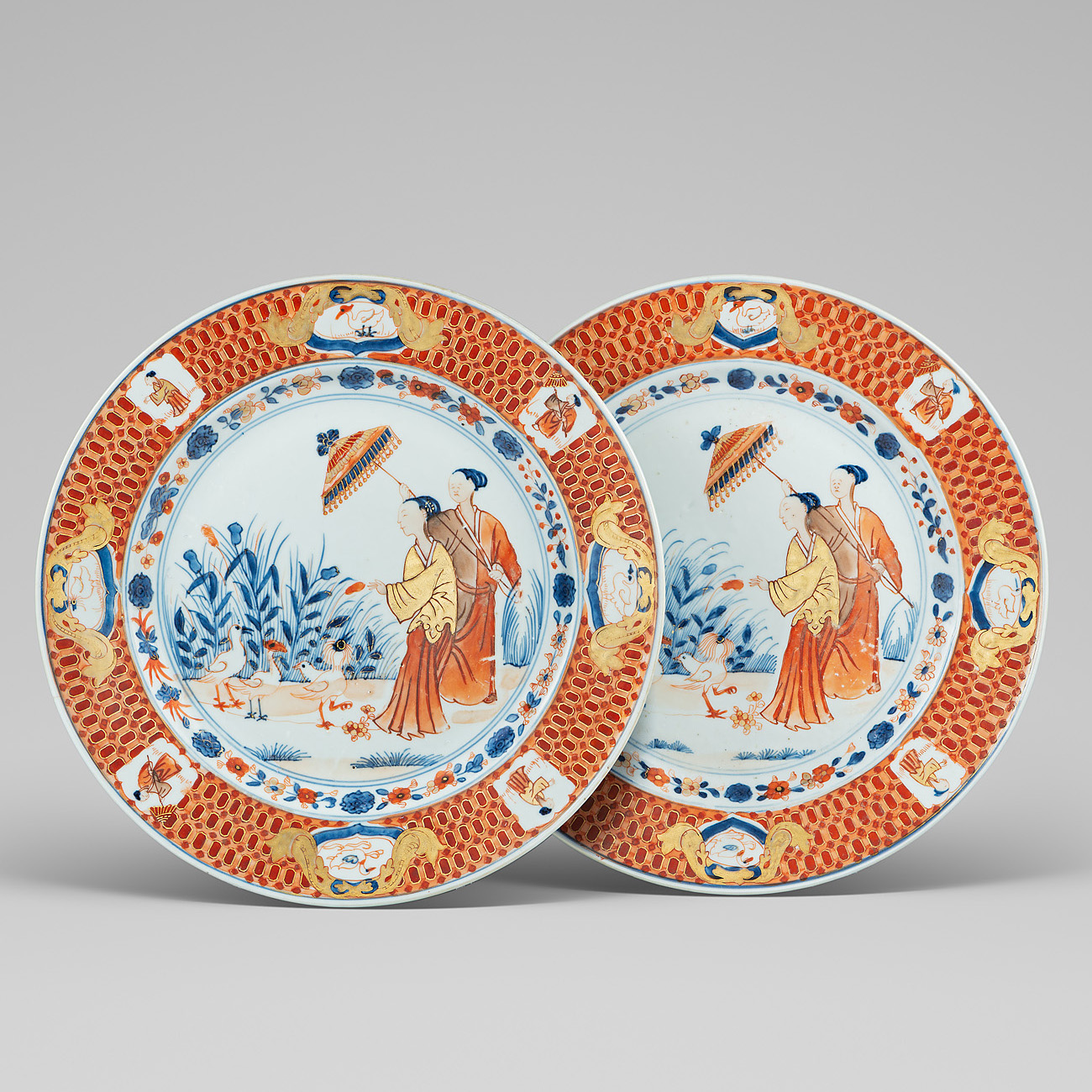
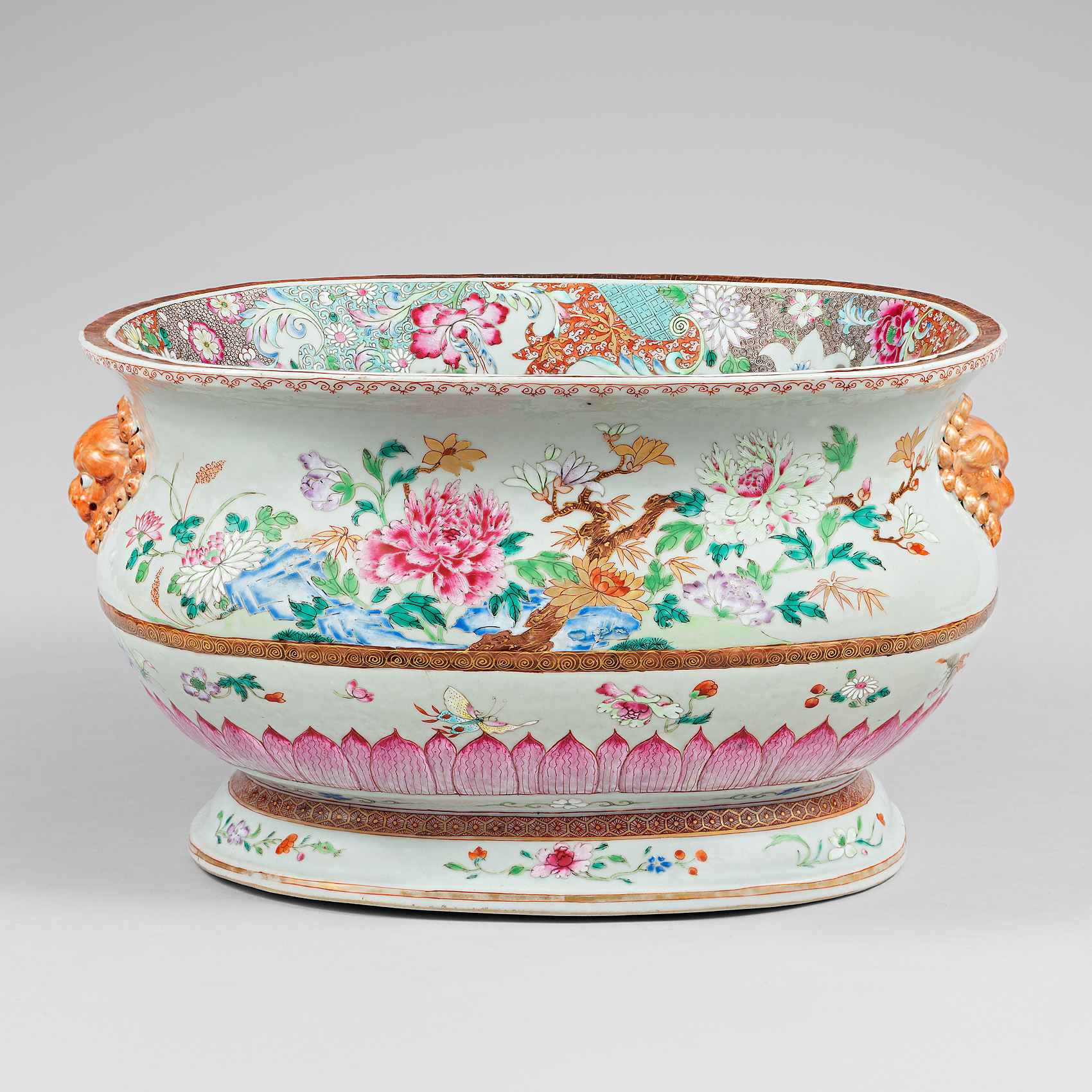
Additional information.Édouard de Boufflers-Rouverel (7 October 1722, Madrid – October 1764), Marquis de Boufflers and de Rouverel, was a French military officer. He was the son of Antoine-François de Boufflers (1649–1751), knight and Seigneur de Rouverel, and Anne-Françoise Wauchope, who was of Scottish origin.
Born on 28 April 1679, Antoine-François de Boufflers embarked upon a military career at an early age. He entered the French Guards as an ensign on 11 November 1697, before being promoted to lieutenant on 26 April 1699. His career in France came to an abrupt end in 1700, following a duel with a fellow officer of his regiment, the Sieur de Bauquemare. The encounter, which took place in the Rue de Seine in Paris, resulted in the death of his opponent and compelled Boufflers to leave the kingdom and enter the service of the Spanish Crown. His estates were subsequently confiscated by the Crown, which granted the benefit of them to his sister, Renée-Espérance de Boufflers.
He thereafter pursued his military career in Spain, where he was entrusted with the command of an infantry regiment. Promoted to the rank of brigadier in the Spanish army in 1720, he was appointed Governor of Olite in 1727. In 1721, he married Anne-Françoise Hüncher, a member of a family of Scottish nobility. She was still residing in Madrid in 1751, the year in which her husband died in France, on 15 August.
As his father had left France following a duel to enter the service of King Philip V of Spain, Édouard de Boufflers was born in Madrid in 1722. He returned to France in 1729 and was granted French naturalisation. On 15 April 1736, he joined the King’s Musketeers, in which he served for three years. On 28 April 1741, he became captain of a company in the Chépy Cavalry Regiment, subsequently renamed the Bellefonds Regiment in 1744.
Between March 1742 and July 1743, he commanded a detachment of the French army sent to Bavaria. He took part in the capture of Ellenbogen and Kaden, assisted in the operations at Braunau, and participated in the expedition undertaken to provision Eger. In 1744, he served with the Army of the Moselle, defeating the troops of General Nádasdy at Zabern, before taking part in the attack on Suffelsheim. From September to December, he served with the Imperial forces and spent the winter in Swabia.
The campaigns of 1745 began in Alsace, from where he marched towards Flanders in June, before proceeding to the Saar. On 20 April 1746, he was appointed lieutenant-colonel of the Chartres Infantry Regiment, succeeding the Comte de Balleroy. He commanded the regiment as colonel at the Battle of Rocourt on 11 October 1746, at the Battle of Lauffeld on 2 July 1747, during the siege of Bergen op Zoom between July and September 1747, and at the siege of Maastricht from April to May 1748.
Following the death of Charles-Joseph-Marie de Boufflers, third Duc de Boufflers, in 1751, he became head of the family. On 4 May 1753, he was appointed guidon of the Company of the Gendarmes de Bourgogne, whereupon he relinquished command of the Chartres Infantry Regiment. He was succeeded by Gilbert de Chauvigny, Comte de Blot.
During the Seven Years’ War (1756–1763), he served in the Electorate of Hanover in 1757, notably at the camp of Kloster Zeven and during the march upon Celle. In 1758, he participated in the conquest of Cassel and Hesse, as well as the Battle of Lutterberg. He was promoted to brigadier on 10 February 1759 and fought at the Battle of Minden on 1 August 1758. On 21 August 1758, he assumed the position of ensign of the Gendarmes de Bourgogne, an appointment he retained until December 1762, following his promotion to maréchal de camp on 25 July of that year.
On 15 February 1746, Édouard de Boufflers married Marie-Charlotte-Hippolyte de Campet de Saujon (born in Rouen on 6 September 1725) at the Château de Saint-Cloud, in the presence of the Duc and Duchesse de Chartres. The couple had one son, Louis-Édouard de Boufflers (3 December 1746–1795), Comte de Boufflers, who married, on 7 December 1768, Amélie-Constance Puchot des Alleurs (c. 1751, Constantinople – May 1825). She was the daughter of Comte Roland Puchot, French ambassador first to Poland and subsequently to Constantinople, and Princess Maria Lubomirska, daughter of Prince Alexandre-Jacques Lubomirski. Édouard’s widow died on 28 November 1800 in her native city of Rouen.
Marie-Charlotte de Campet de Saujon, known as the Comtesse de Boufflers, was one of the most remarkable figures of eighteenth-century French aristocratic and intellectual society. She was the daughter of Charles-François de Campet de Saujon, Baron de La Rivière and an officer in the King’s Bodyguard, and Louise-Angélique de Barberin de Reignac. Her marriage brought her into the highest circles of the court aristocracy. Appointed lady-in-waiting to the Duchesse de Chartres, she soon distinguished herself through her wit, learning and effortless command of the conventions of fashionable society.
It was in this milieu that she became acquainted with Louis-François de Bourbon, Prince de Conti (1717–1776), a cousin of Louis XV and one of the most influential Princes of the Blood. She became his mistress and confidante, gradually assuming a central position within his entourage. The Prince, who maintained a residence at the Palais du Temple in Paris, enabled her to establish there a literary salon that acquired considerable renown. The Comtesse de Boufflers welcomed members of the highest aristocracy, diplomats, writers and some of the most distinguished philosophers of the age.
Jean-Jacques Rousseau, Denis Diderot, Friedrich Melchior Grimm, the Abbé Morellet and David Hume were among the notable figures associated with her circle. Such was her influence that Madame du Deffand, herself one of the most celebrated salonnières of the period, bestowed upon her the epithet “the Idol of the Temple” (l’Idole du Temple). Her salon became a privileged meeting place for the aristocratic elite and the leading representatives of the Enlightenment, at a time when literary, philosophical and political conversation occupied a central place in the intellectual life of Paris.
The Comtesse de Boufflers was equally distinguished by her connections with British intellectual society. A devoted admirer of English culture, she maintained an extensive correspondence with David Hume, whose writings and philosophical thought she held in particularly high esteem. During a visit to London in 1763, she moved among several prominent figures of British society, including Horace Walpole and Samuel Johnson.
Her exchanges with Hume and Rousseau reveal both her keen engagement with the philosophical debates of her age and her role as an intermediary between the cultivated circles of France and Britain. She was thus far more than a fashionable woman celebrated for her wit: she was an influential participant in the intellectual networks that connected the European Enlightenment.
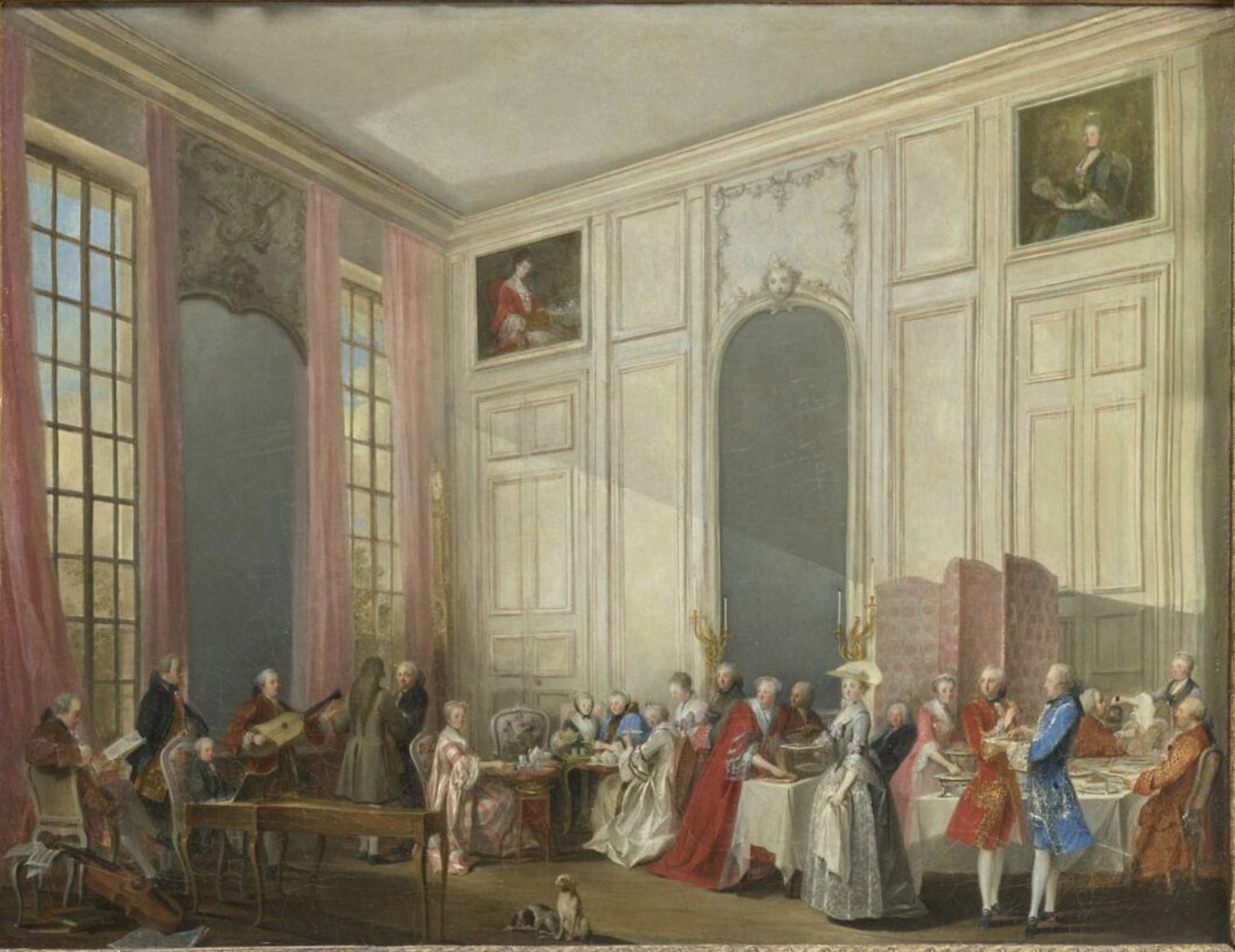
Le Thé à l’anglaise dans le salon des Quatre-Glaces au Temple, vers 1766
Following the death of her husband in October 1764, she entertained hopes of marrying the Prince de Conti, with whom she had enjoyed a particularly close relationship for many years. Yet, despite his affection for the Comtesse, the Prince never pursued the prospect of marriage, most probably on account of dynastic considerations and the conventions imposed by his exalted rank.
Their relationship nevertheless endured until Conti’s death in 1776. The Prince’s passing marked a turning point in the life of the Comtesse de Boufflers, although she continued to maintain her connections within aristocratic and intellectual circles. She also owned a residence in Auteuil, then a fashionable village much favoured by the Parisian elite for its country retreats and gardens.
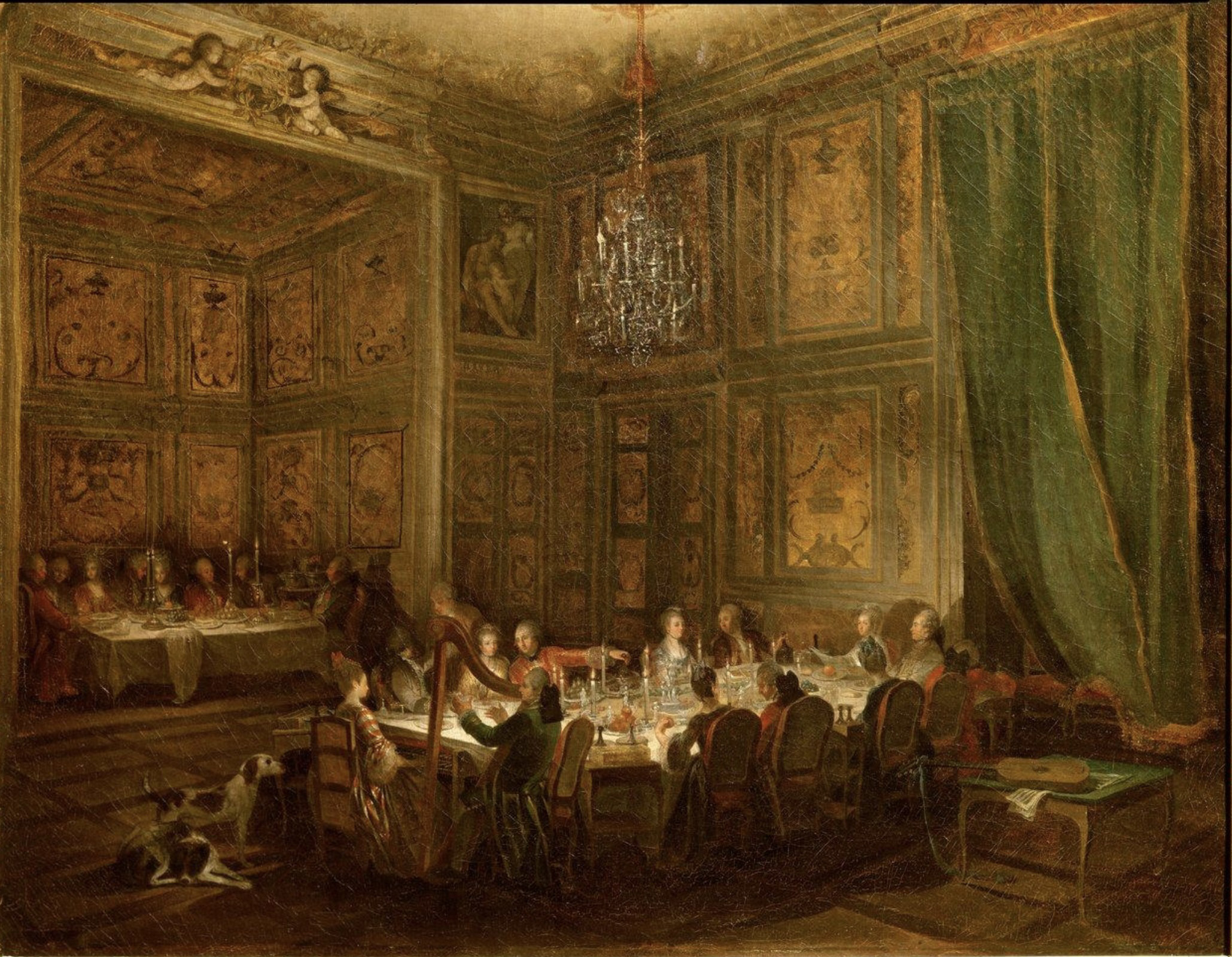
Le Souper du prince de Conti au Temple — scène de 1766
The French Revolution profoundly disrupted the final years of her life. Despite her interest in philosophical thought and her close association with several leading figures of the Enlightenment, her aristocratic connections rendered her suspect in the eyes of the revolutionary authorities. Having spent some time in England, she returned to France in 1792. Arrested in January 1794, during the Reign of Terror, she was imprisoned in the Conciergerie before being released following the fall of Robespierre. She thus survived the most turbulent and violent years of the Revolution and died in 1800.
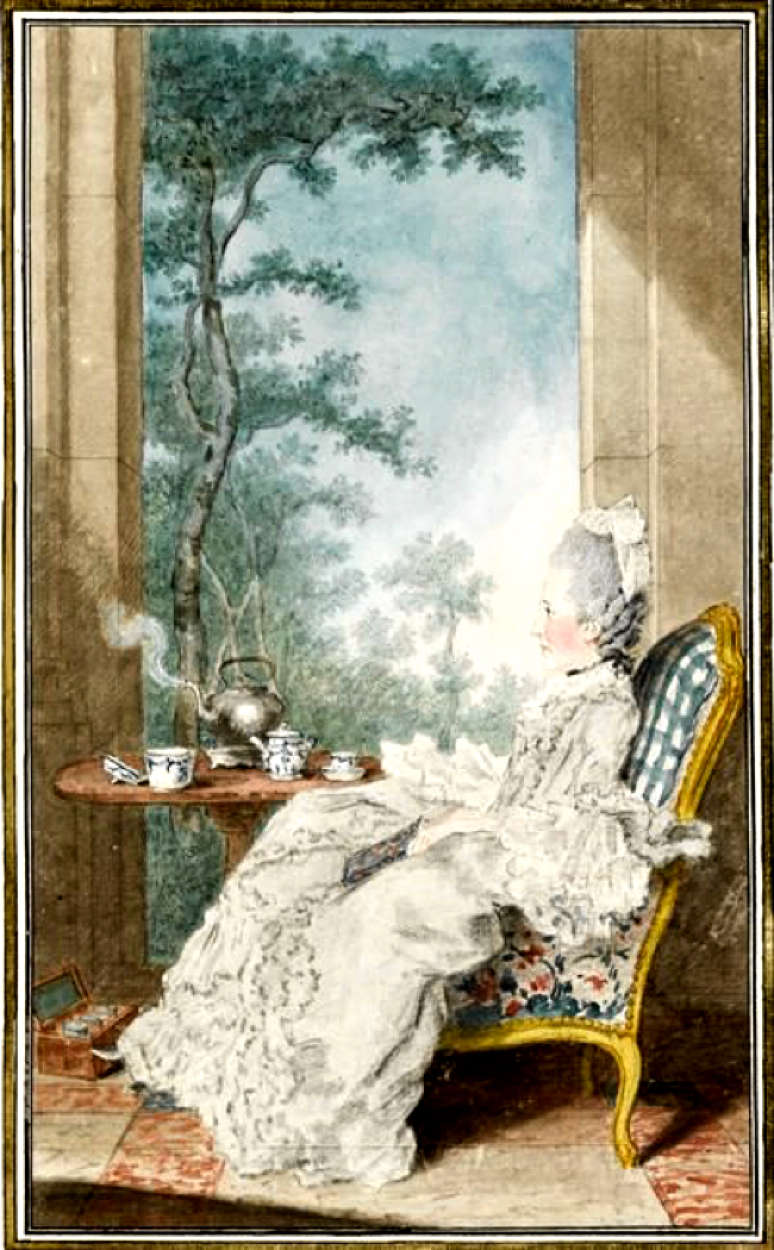
Louis Carrogis dit Carmontelle, Marie-Charlotte de Boufflers (1725-180
The House of Boufflers, one of the ancient noble families of Picardy, held a distinguished position in the military and social history of France. The family rose to particular prominence during the reign of Louis XIV through Louis-François de Boufflers (1644–1711), who was appointed Marshal of France in 1693 and raised to the dignity of duke in 1695. The duchy-peerage, established in 1708, passed to his descendants until its extinction in 1751.
Throughout the eighteenth century, the family also enjoyed considerable distinction in intellectual circles and at the court of Lorraine. Marie-Françoise-Catherine de Beauvau-Craon (1711–1787), Marquise de Boufflers, was the celebrated mistress of King Stanisław Leszczyński, father-in-law of Louis XV. Her son, Stanislas-Jean de Boufflers (1738–1815), known as the Chevalier de Boufflers, was even reputed, according to a persistent but unsubstantiated tradition, to be the King’s natural son. A man of letters and a diplomat, who would later be elected to the Académie française, he was appointed Governor of Senegal in 1785.