Additonal informations :Thomas, born in 1722, remained for as long as possible in Wexford, Ireland, where he secretly served the cause of the Stuarts and King Louis XV of France. He married Lady Philis Masterson of Castletown (Castletown, 1742), daughter of John Masterson of Castletown, Sieur de Castletown, whose wife was the daughter of Walsh of Drumdowng. The couple had eleven children, all born in Wexford between 1744 and 1759.
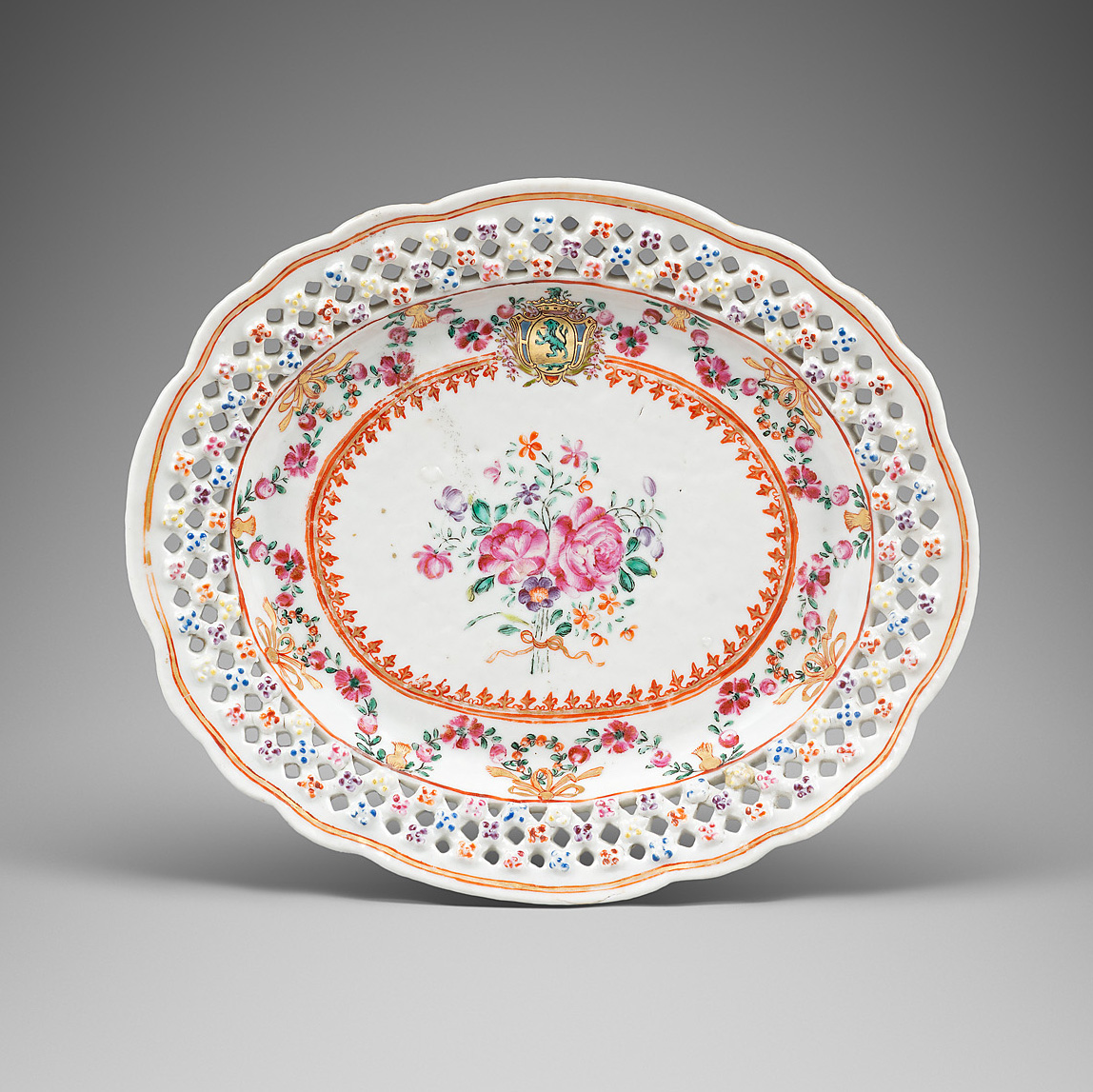
Thomas Sutton settled permanently in France in 1756, at the outset of the Seven Years’ War, leaving Ireland with his merchant fleet and a number of volunteers to contribute to the fighting. He was granted letters patent of nobility by Louis XV in 1763. His coat of arms bore a green salamander in addition to the Suttons’ green double-tailed lion. Through his mother, Frances Ragel of Ballyraget, he was related to the merchant Antoine Walsh. In 1766, Thomas Sutton acquired the barony of Lugo, located between Salles and Belin. His brother Jean (or John), Baron of Clonard, served as a captain for the French East India Company.
Thomas Sutton was a wealthy shipowner, merchant, and privateer in Wexford and later in Bordeaux, as well as the proprietor of plantations in the West Indies, and owner of lands in the Bordeaux region, in Périgord, and around Paris. A financier and speculator with pronounced “Choiseulist leanings” and a noted opponent of Necker, he emerged as one of the leading financiers of the 1770s. Syndic of the French East India Company from 1766 to 1770, during the directorship of banker Isaac Panchaud, he became a shareholder and played a decisive role in its rescue after the setbacks following France’s defeat in the Seven Years’ War. He made substantial investments in à la grosse aventure voyages (slave-trading expeditions) and in his family’s slave-run plantations in Saint-Domingue. Alongside his brother Jean-Baptiste, a naval officer in the king’s service, he concluded four major contracts of 20,000 livres each during the year 1770.
In partnership with banker Isaac Panchaud, he founded the new Caisse d’Escompte. In 1777, the two purchased from Abel François Poisson, brother of the Marquise de Pompadour, the Verrerie du Bas-Meudon — later to become the Sèvres Glassworks — and sold it fifteen months later for 1.05 million livres, realising a profit of 31 percent. He maintained close ties with many influential political figures of the time and sent ships and funds in support of the American War of Independence. He died in Angoulême on 13 September 1782.
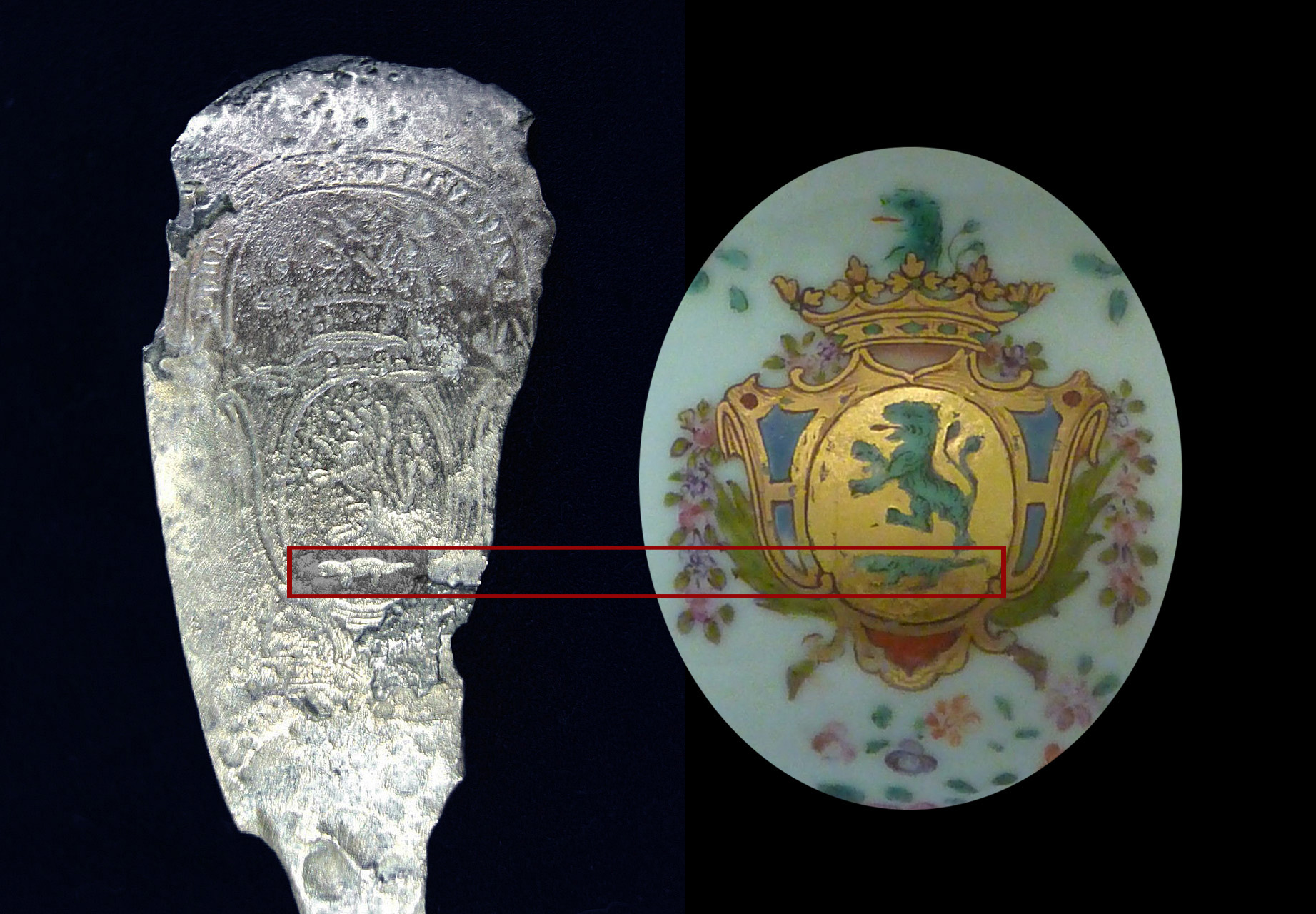
His son, Robert Sutton de Clonard, born in 1751 in Wexford, was promoted lieutenant and served aboard Glorieux under Captain the Vicomte d’Escars during the American War of Independence, taking part in the Invasion of Tobago on 30 May 1781. He later became a lieutenant in the French East India Company. He took part in the defence of Mahé alongside La Pérouse, whom he joined on the La Pérouse expedition. He was promoted captain in January 1787, taking command of L’Astrolabe at Botany Bay to replace Paul-Antoine-Marie Fleuriot de Langle, following the latter’s death in combat, together with that of the botanist, physicist, and meteorologist Robert de Lamanon (1752–1787), on one of the Tonga Islands. After a long exploration of the Pacific, he perished in 1788 at Vanikoro in a shipwreck, together with all the members of the expedition. From as early as 1791, Entrecasteaux initiated a search, but it was not until 1826—after several decades of rumours, some of them quite fanciful—that the Irishman Peter Dillon discovered the first traces. Numerous expeditions would follow. At the site known as the “Faille,” a fork was found bearing the arms of Robert Sutton, along with his motto: Fide et Fortitudine — “Loyalty and Courage.”
Bibliography :
Patrick Clarke de Dromantin, Les réfugiés jacobites dans la France du XVIIIe siècle. L’exode de toute une noblesse pour cause de religion, Presses universitaires de Bordeaux, Pessac, 2005, p. 397-399, 448-449.
Louis M. Cullen, The Early Modern Atlantic Economy – Irish businessman and French courtier: the career of Thomas Sutton, comte de Clonard, c. 1722–1782, 2001.